Blog
Magnesium Fertilizer Supplier Thailand

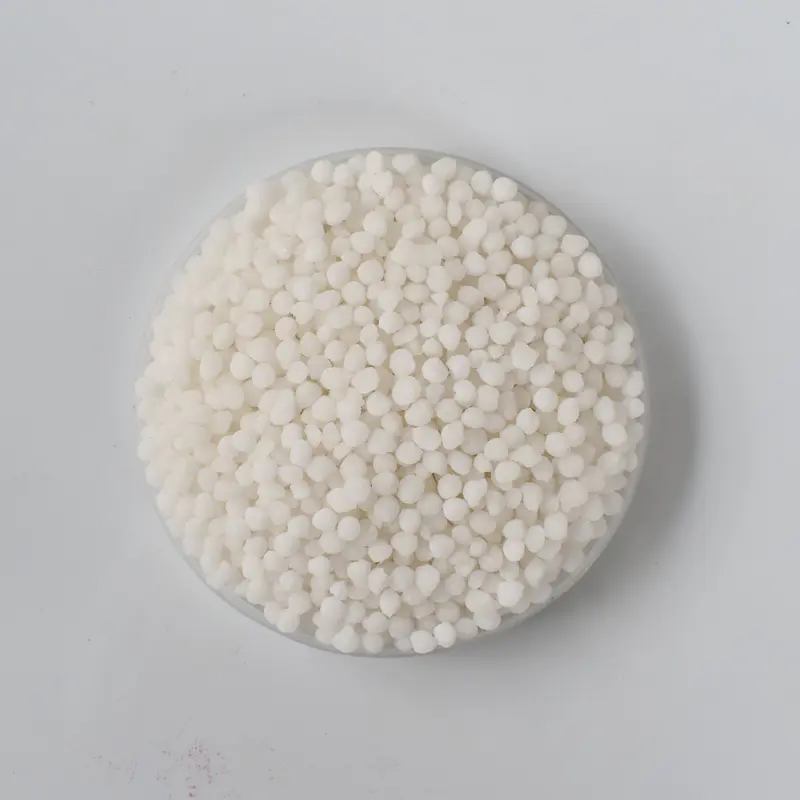
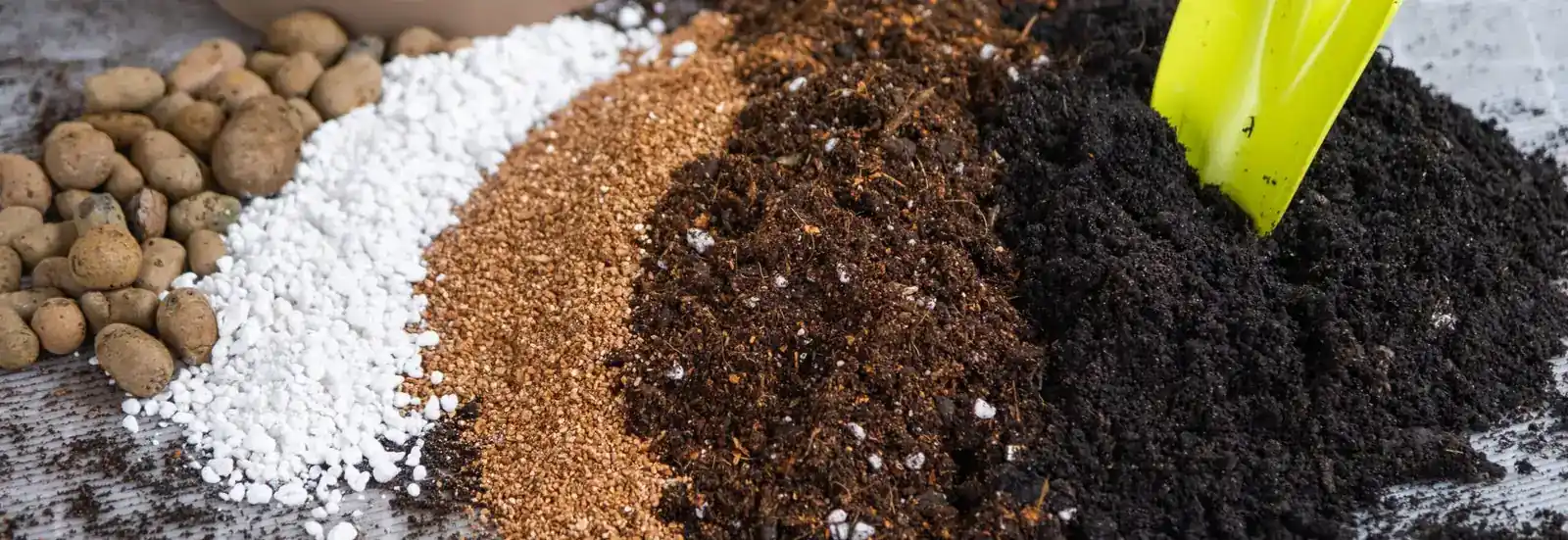
Choosing the right magnesium fertilizer supplier in Thailand is an important step toward improving crop nutrition, preventing nutrient deficiencies, and supporting consistent agricultural productivity. Magnesium is an essential plant nutrient involved in chlorophyll formation, photosynthesis, enzyme activity, and nutrient movement within plants.
For commercial farmers, hydroponic growers, fertilizer distributors, and agricultural businesses, choosing a reliable source of magnesium fertilizer requires more than comparing prices. Product composition, solubility, nutrient concentration, quality documentation, agricultural application, and dependable supply are all important considerations.
If you are searching for a Magnesium Fertilizer Supplier from Thailand, this comprehensive guide explains the benefits of magnesium fertilizers, available fertilizer types, application methods, common crop deficiencies, and practical considerations when selecting an agricultural fertilizer supplier.
Discover magnesium fertilizer options through Pure Fert Solutions’ magnesium fertilizer category.
What Is Magnesium Fertilizer?
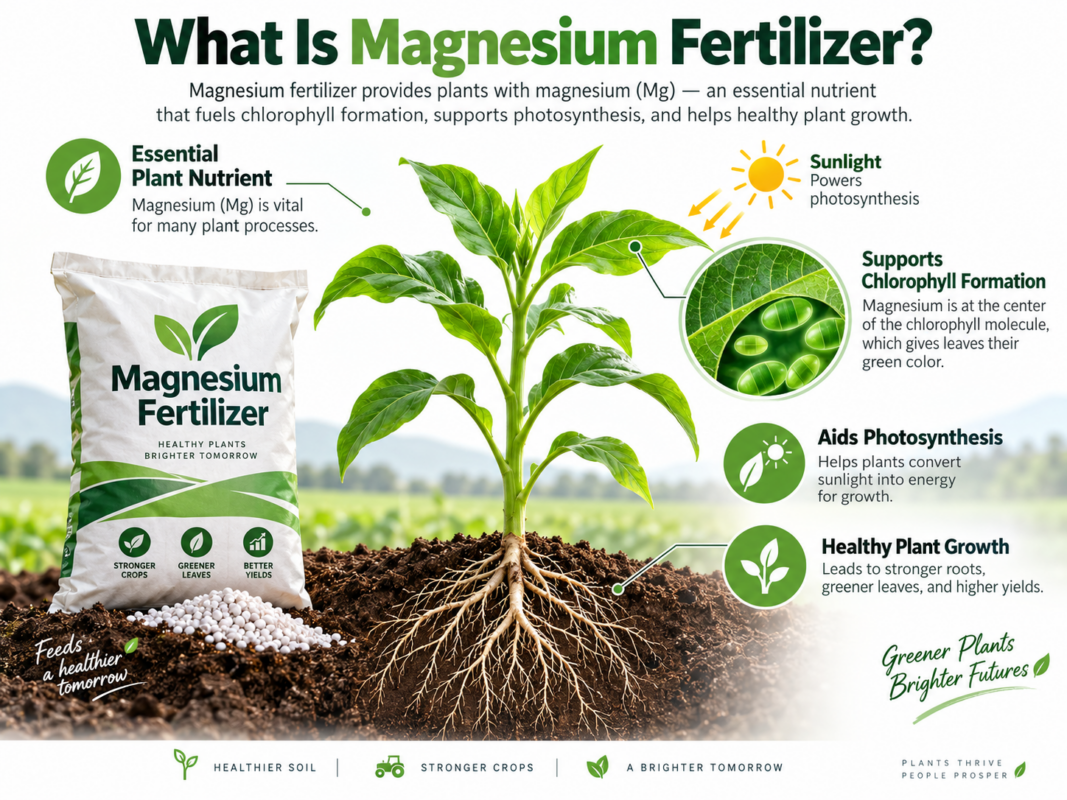
Magnesium fertilizer is a plant nutrition product that supplies magnesium (Mg), an essential secondary macronutrient required for healthy plant growth and development.
Magnesium is the central atom in the chlorophyll molecule, which enables plants to capture light for photosynthesis. It also contributes to enzyme activation, carbohydrate metabolism, protein synthesis, and the movement of photosynthetic products within plants.
When crops experience inadequate magnesium availability, they may display symptoms such as yellowing between leaf veins, reduced photosynthetic capacity, and impaired growth.
Magnesium fertilizers are used across agricultural production systems, including:
- Rice cultivation and field crops
- Tropical fruit orchards
- Vegetable farming
- Hydroponic and greenhouse cultivation
- Oil palm and rubber plantations
- Fertigation and precision irrigation
- Horticulture and nursery production
The correct magnesium source and application rate depend on crop demand, soil conditions, irrigation-water quality, fertilizer compatibility, and laboratory test results.
Why Magnesium Is Essential for Healthy Crop Growth
Magnesium contributes to several fundamental physiological processes.
1. Supports Chlorophyll Formation and Photosynthesis
Magnesium is a central component of chlorophyll. Adequate magnesium nutrition supports the plant’s ability to capture sunlight and convert it into chemical energy.
Where magnesium is limiting growth, correcting the deficiency can help restore photosynthetic performance and support normal crop development.
2. Supports Enzyme Activity
Magnesium participates in numerous enzyme-controlled reactions involved in energy transfer and plant metabolism.
It is particularly important in processes associated with ATP, the energy-carrying molecule used in plant cells.
3. Helps Maintain Balanced Plant Nutrition
Magnesium interacts with other nutrients, especially potassium and calcium.
Excessive potassium fertilization can reduce magnesium uptake under certain soil conditions. For this reason, balanced nutrition is more effective than simply increasing the rate of individual fertilizers.
4. Supports Carbohydrate Transport
Magnesium contributes to the movement and utilization of carbohydrates produced during photosynthesis.
Adequate magnesium nutrition is important for crops that accumulate carbohydrates in fruit, roots, storage organs, and other harvested plant parts.
5. Helps Protect Crop Productivity
Correcting a genuine magnesium deficiency may improve plant performance, crop uniformity, and marketable yield.
However, additional magnesium will not necessarily improve yield where existing magnesium supply is sufficient. Soil and tissue analysis should guide fertilizer decisions.
Common Signs of Magnesium Deficiency in Plants
Magnesium is mobile within plants. When magnesium becomes scarce, plants can move it from older tissues toward younger growing tissues.
Consequently, magnesium deficiency symptoms often appear first on older leaves.
Common signs include:
Interveinal chlorosis: Yellowing develops between leaf veins while the veins remain comparatively green.
Older leaf discoloration: Lower and older leaves may show symptoms before younger leaves.
Premature leaf deterioration: More severe deficiency can cause leaf-edge necrosis, tissue damage, or early leaf loss.
Reduced plant growth: Persistent deficiency may reduce plant vigor and photosynthetic activity.
Lower crop performance: Severe deficiencies can affect yield and crop quality.
These symptoms are not unique to magnesium deficiency. Other nutrient imbalances, root problems, environmental stress, and plant diseases can cause similar discoloration.
Expert Tip: Confirm Magnesium Deficiency Before Fertilization
Use soil testing, plant tissue analysis, and crop observations together.
A soil test can help evaluate magnesium availability, pH, and nutrient balance. Tissue testing indicates whether magnesium is present at an appropriate concentration in the crop.
Avoid relying exclusively on visible symptoms.
Types of Magnesium Fertilizers Available for Agriculture
Products by Category
-
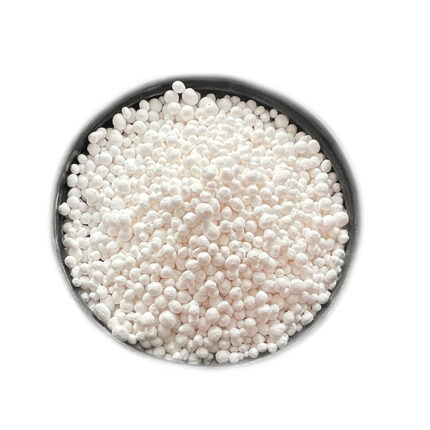
Kieserite Granular Magnesium Sulphate Monohydrate
-
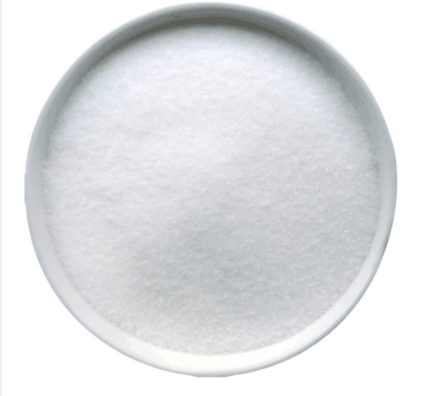
Kieserite Powder Magnesium Sulphate Monohydrate
-
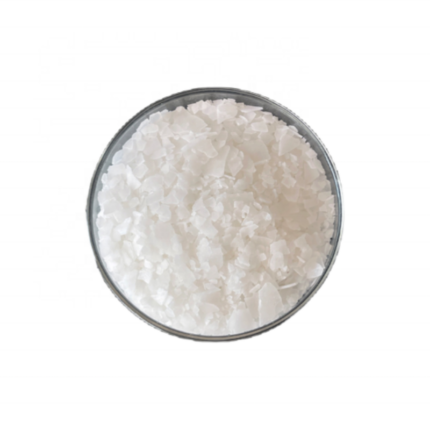
Magnesium Chloride Hexahydrate White Flake
-
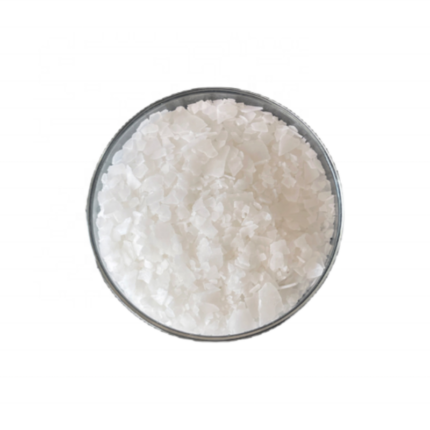
Magnesium Nitrate Hexahydrate Crystal | Flake | Prilled
-
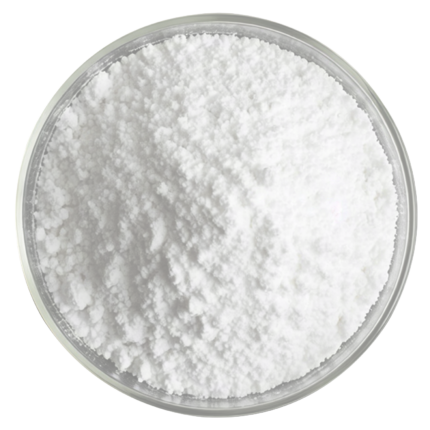
Magnesium Oxide Powder & Granular
-
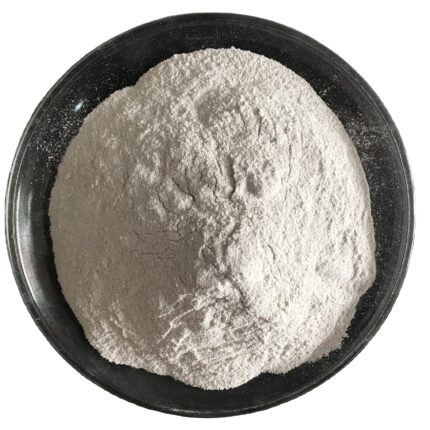
Magnesium sulphate Anhydrous
-
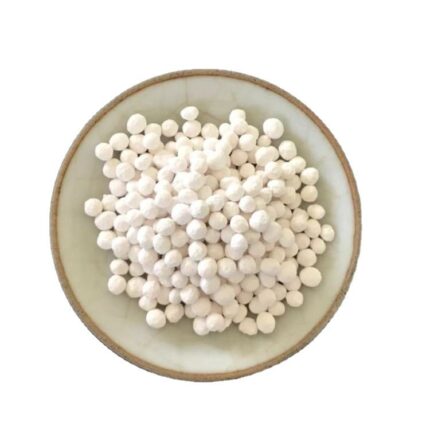
Magnesium sulphate Anhydrous Granular
-
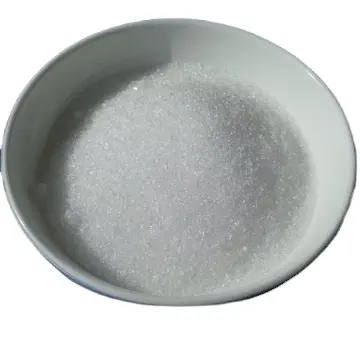
Magnesium Sulphate Heptahydrate 0.1-1mm
-
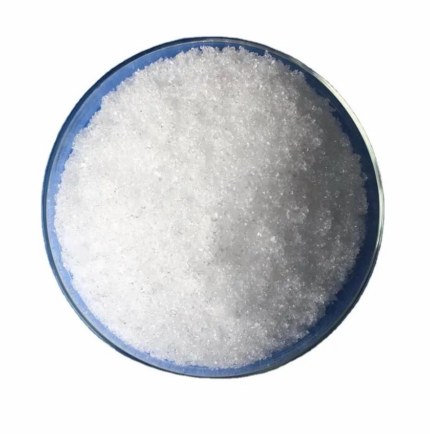
Magnesium Sulphate Heptahydrate 1-3mm
Selecting the correct fertilizer source is essential for cost-effective crop nutrition.
1. Magnesium Sulfate Fertilizer
Magnesium sulfate provides magnesium and sulfur, two essential plant nutrients.
Common agricultural forms include magnesium sulfate heptahydrate, often called Epsom salt, and magnesium sulfate monohydrate.
Depending on their specifications, suitable products can be used for soil application, fertigation, and foliar nutrition.
Main benefits:
- Supplies magnesium and sulfur
- Offers soluble formulations for liquid feeding systems
- Supports correction of magnesium deficiencies
- Can be incorporated into balanced fertilization programs
Best suited for: Vegetable production, greenhouse cultivation, fruit crops, and suitable fertigation systems.
Product solubility, purity, and compatibility must be checked before injection or spray application.
2. Magnesium Nitrate Fertilizer
Magnesium nitrate is a soluble source of magnesium and nitrate nitrogen.
It can be useful where a crop requires both nutrients and the nitrogen contribution fits the overall nutrient management program.
Main benefits:
- Provides magnesium and nitrate nitrogen
- Suited to appropriately designed fertigation programs
- Allows magnesium supply to be integrated into soluble nutrient formulations
Best suited for: Commercial horticulture, protected cultivation, and hydroponic systems using suitable fertilizer grades.
Because magnesium nitrate also contributes nitrogen, application rates should account for the complete nitrogen budget.
3. Magnesium Oxide Fertilizer
Magnesium oxide is a concentrated magnesium source commonly used in fertilizer formulations and certain soil management programs.
Its reactivity and plant availability depend on the product’s physical and chemical characteristics.
Main benefits:
- High potential magnesium concentration
- Useful in selected soil amendment and fertilizer manufacturing applications
- Offers another sourcing option for bulk agricultural operations
Best suited for: Applications where the specific magnesium oxide grade is agronomically appropriate.
Magnesium oxide should not automatically be treated as interchangeable with water-soluble magnesium salts.
4. Magnesium Carbonate and Dolomitic Limestone
Dolomitic limestone supplies calcium and magnesium while helping neutralize acidic soil.
It can be particularly useful where a soil test shows both low magnesium and a requirement to raise soil pH.
Main benefits:
- Supplies calcium and magnesium
- Helps manage soil acidity
- Can support a longer-term soil fertility program
Best suited for: Acidic soils requiring liming and magnesium supplementation.
Dolomitic limestone is not a suitable substitute for rapidly soluble magnesium fertilizer in every cropping situation.
5. Potassium Magnesium Sulfate
Potassium magnesium sulfate products supply potassium, magnesium, and sulfur.
They can be useful when crop nutrient requirements justify all three nutrients.
Main benefits:
- Provides multiple essential nutrients
- Can simplify the nutrient supply program
- Offers an alternative for crops requiring potassium and magnesium
Best suited for: Soil fertilization programs designed around measured potassium, magnesium, and sulfur requirements.
Which Magnesium Fertilizer Is Best?
The best product depends on the application.
For soluble feeding, magnesium sulfate or magnesium nitrate may be appropriate. For acidic soils requiring lime, dolomitic limestone may be more suitable. For fertilizer blending, magnesium oxide or other products may be considered according to formulation requirements.
Always compare nutrient content and delivered cost per kilogram of usable magnesium, rather than purchase price alone.
Why Work With a Magnesium Fertilizer Supplier in Thailand?
Thailand has diverse agricultural production systems that require effective soil and plant nutrient management.
These include rice, tropical fruits, vegetables, sugarcane, cassava, rubber, and oil palm.
For agricultural businesses sourcing fertilizers for use in Thailand, choosing an experienced supplier or sourcing partner can provide several advantages.
Product Selection for Different Crop Requirements
Crop nutritional needs vary by growth stage, farming system, growing medium, and local soil conditions.
A suitable supplier should help buyers identify products with specifications appropriate for the intended agricultural use.
Reliable Quality Documentation
Commercial buyers should request relevant documentation, including:
- Product technical data sheets
- Certificate of analysis (COA), where available
- Nutrient concentration and chemical composition
- Solubility and moisture specifications
- Safety data sheets (SDS)
- Storage and handling guidance
- Relevant regulatory or import documentation
Documentation allows buyers to assess whether a fertilizer grade meets their requirements.
Bulk Procurement and Supply Planning
Large agricultural operations and fertilizer distributors may need consistent supply across multiple growing seasons.
Before placing an order, buyers should confirm minimum order quantities, available packaging, lead times, stock status, and delivery arrangements.
Technical Product Compatibility
Fertilizer compatibility matters in modern agricultural systems.
For example, concentrated solutions containing magnesium may form precipitates when combined with certain phosphate-containing products. Magnesium sulfate may also create problems in concentrated calcium-containing stock solutions.
Fertilizer tank-mixing decisions should follow appropriate compatibility testing and product guidance.
Agricultural Sourcing for Domestic and International Buyers
Commercial buyers may also need assistance comparing packaging formats, shipping arrangements, documentation, and procurement conditions.
Buyers sourcing from Thailand should verify the supplier’s actual business location, product origin, import/export capabilities, and applicable commercial arrangements.
How to Choose the Best Magnesium Fertilizer Supplier from Thailand
Finding a reliable supplier involves evaluating technical and commercial criteria.
Step 1: Verify Product Specifications
Request clear information on nutrient concentration, chemical form, solubility, appearance, and relevant quality parameters.
If you are sourcing magnesium sulfate, confirm whether the product is heptahydrate, monohydrate, or another grade, as nutrient concentration varies between forms.
Step 2: Review Product Quality and Consistency
Look for quality documentation that relates to the actual product grade or batch.
Where appropriate, request representative samples for independent testing before committing to a large shipment.
Step 3: Confirm Suitability for Your Crops
Identify the intended use before selecting the fertilizer.
For example, a hydroponic operation may require highly soluble fertilizers with carefully controlled impurities, while a field crop operation may use an entirely different magnesium source.
Step 4: Compare the Total Cost of Supply
Assess more than the quoted price per bag or metric ton.
Consider:
- Magnesium nutrient concentration
- Shipping and inland delivery costs
- Packaging and handling requirements
- Application efficiency
- Storage and shelf-life considerations
- Applicable taxes and import fees
A cheaper fertilizer can be less economical if it has lower nutrient content or is unsuitable for the intended application.
Step 5: Verify Supplier Reliability
Before purchasing, confirm the company’s legal identity, commercial documentation, delivery terms, and capacity to fulfill the order.
Ask for a written quotation specifying product grade, quantity, packaging, Incoterms where applicable, delivery conditions, and payment terms.
Magnesium Fertilizer for Major Agricultural Crops in Thailand
Different cropping systems present different nutrient management challenges.
Magnesium Fertilizer for Rice
Rice productivity depends on adequate nutrient supply and suitable soil management.
Magnesium deficiency can restrict normal photosynthetic activity and crop development.
Rice growers should consider magnesium management in the context of soil fertility, potassium application, soil pH, and tissue analysis.
Magnesium Fertilizer for Durian
Durian requires balanced nutrition to support vegetative development, flowering, and fruit production.
Magnesium is important for leaf function and carbohydrate metabolism.
A magnesium deficiency may reduce overall tree performance, particularly when accompanied by an imbalance involving other nutrients.
For durian orchards, fertilizer decisions should be based on soil and leaf testing, tree age, crop load, and agronomic recommendations.
Magnesium Fertilizer for Oil Palm
Oil palm has substantial nutrient requirements, and magnesium nutrition can be an important component of plantation management.
Magnesium and potassium balance requires particular attention.
Palm growers should follow plantation-specific nutrient management plans and diagnostic testing when selecting fertilizer rates.
Magnesium Fertilizer for Vegetables
Vegetable crops grown under intensive cultivation can be sensitive to nutrient imbalances.
Soluble magnesium fertilizers may be useful in irrigation-based feeding programs where testing identifies a magnesium requirement.
Magnesium Fertilizer for Hydroponics
Hydroponic systems require precise management of dissolved nutrients.
Magnesium sulfate is frequently used in nutrient formulations because it can supply soluble magnesium and sulfur.
Growers should account for magnesium already present in irrigation water and other fertilizer inputs.
Electrical conductivity (EC), pH, fertilizer purity, and nutrient ratios must be managed as part of the complete solution.
How to Apply Magnesium Fertilizer Effectively
There is no single application rate appropriate for every crop or soil.
Soil Application
Magnesium fertilizer may be applied directly to soil according to soil test results, crop requirements, and product recommendations.
Soil pH, texture, cation exchange capacity, and competing nutrients influence magnesium availability.
Foliar Application
Pure Fertilizer Solutions suitable soluble magnesium fertilizers can be applied to foliage when label directions and crop conditions allow.
Foliar treatments may provide targeted nutritional support, but they are not necessarily a substitute for correcting persistent deficiencies in the root zone.
Avoid spraying during conditions likely to increase leaf injury, and follow crop-specific concentration and compatibility instructions.
Fertigation
Fertigation delivers nutrients through an irrigation system.
Appropriate soluble magnesium fertilizers can be incorporated into properly designed programs.
Before application, verify fertilizer dissolution, source-water composition, injector settings, and stock-solution compatibility.
Hydroponic Nutrient Solutions
Hydroponic applications require accurately formulated nutrient solutions.
Magnesium additions should account for all existing magnesium sources and the desired concentration within the complete feeding program.
Professional recommendation: Determine the fertilizer rate from laboratory results, product analysis, crop requirements, and the area or volume being treated. Do not use a universal dose without considering these factors.
Common Mistakes When Buying and Using Magnesium Fertilizer
Mistake 1: Choosing Only by Price
The lowest quoted price may not represent the lowest cost per unit of magnesium or the best agronomic value.
Solution: Compare nutrient analysis, purity, suitability, and total delivered cost.
Mistake 2: Assuming All Magnesium Fertilizers Are the Same
Magnesium sulfate, magnesium nitrate, magnesium oxide, and dolomitic limestone have different properties.
Solution: Select fertilizer chemistry according to soil conditions and application method.
Mistake 3: Applying Magnesium Without Testing
Excessive or unnecessary application increases costs and may contribute to nutrient imbalance.
Solution: Use diagnostic information before developing an application program.
Mistake 4: Ignoring Potassium and Calcium Balance
High concentrations of competing cations can influence magnesium absorption.
Solution: Evaluate magnesium alongside the broader nutrient program.
Mistake 5: Using an Unsuitable Grade for Fertigation
Poor solubility or incompatible inputs can cause deposits and blockages.
Solution: Verify fertilizer grade, water quality, and compatibility before mixing.
Frequently Asked Questions About Magnesium Fertilizer Suppliers in Thailand
1. Where can I find a magnesium fertilizer supplier in Thailand?
Start by reviewing fertilizer suppliers and product category listings that serve the Thai agricultural market. Pure Fert Solutions’ magnesium fertilizer category is one product discovery resource. Before ordering, confirm the company’s service area, actual supply arrangements, product specifications, and delivery capabilities.
2. What is the best magnesium fertilizer for plants?
There is no universal best fertilizer. Magnesium sulfate can be suitable for many soluble feeding applications, while magnesium nitrate, magnesium oxide, and dolomitic limestone serve different nutritional or soil management requirements. Soil and plant testing should guide selection.
3. What is magnesium sulfate fertilizer used for?
Magnesium sulfate supplies magnesium and sulfur. Suitable agricultural grades may be used for soil fertilization, fertigation, foliar application, and hydroponic nutrient formulation.
4. How can I identify magnesium deficiency in crops?
Magnesium deficiency often causes yellowing between veins on older leaves. Severe cases may involve tissue deterioration and reduced crop growth. Confirm the cause through crop assessment and laboratory analysis.
5. Is magnesium fertilizer suitable for durian trees?
Yes, magnesium is an essential nutrient for durian trees. Fertilization is appropriate when needed to maintain balanced nutrition, based on soil analysis, leaf testing, and orchard conditions.
6. Can magnesium fertilizer improve crop yield?
Correcting a limiting magnesium deficiency may support improved crop performance and yield. Extra magnesium is not guaranteed to increase yield if existing plant nutrition is already adequate.
7. Can I use magnesium fertilizer for hydroponics?
Yes. Suitable high-solubility magnesium products can be incorporated into hydroponic nutrient solutions. Grade, water quality, nutrient balance, and formulation compatibility are important.
8. What is the difference between magnesium sulfate and magnesium nitrate?
Magnesium sulfate supplies magnesium and sulfur, while magnesium nitrate supplies magnesium and nitrate nitrogen. Selection depends on the crop’s complete nutrient requirements and fertilizer program.
9. How much magnesium fertilizer should I apply per hectare?
Application requirements vary according to crop, soil nutrient supply, fertilizer concentration, growth stage, and target yield. Obtain crop-specific advice based on soil or tissue testing rather than applying a universal rate.
10. Is magnesium fertilizer available in bulk quantities in Thailand?
Bulk availability depends on the specific supplier, grade, packaging, inventory, and delivery destination. Ask suppliers directly about current availability, minimum order quantities, and shipment terms.
11. What information should I request before purchasing magnesium fertilizer?
Request a technical data sheet, nutrient analysis, relevant quality documents, packaging information, minimum order quantity, delivery terms, and a quotation.
12. Can magnesium fertilizer be mixed with calcium fertilizer?
Some magnesium fertilizers can react with other fertilizers in concentrated stock solutions. For example, sulfate-containing fertilizers may create precipitation problems with calcium sources. Check compatibility instructions and use separate stock tanks where required.
13. Where can I buy magnesium sulfate fertilizer in bulk in Thailand?
You can buy magnesium fertilizer (Epsom salt) in bulk or 25 kg bags from several specialized chemical and agricultural suppliers like Pure Fertilizer Solutions as well as online marketplaces in Thailand: